
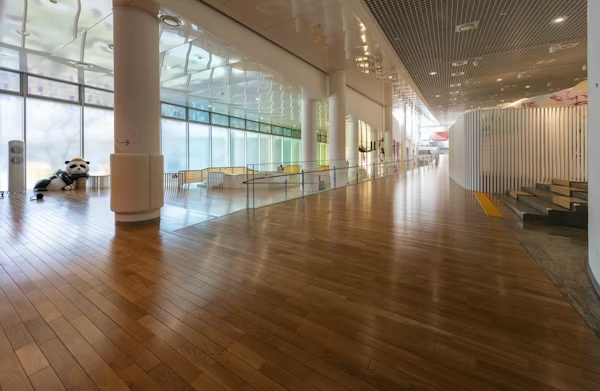
A commercial flooring project works best when the process is clear from the beginning. Most business owners and property managers want the same outcome. They want flooring that fits the space, performs well, and is installed with a plan that makes sense.
That is why the process matters. Commercial flooring is not only about picking a material and setting an installation date. It starts with understanding the property, the traffic flow, the type of business, and the needs of each area. From there, the right flooring options can be narrowed, the work can be planned properly, and the final result can better support the property long term.
In Arlington, VA, commercial spaces often include offices, healthcare interiors, education facilities, reception areas, corridors, and other business environments. Each one places different demands on the floor.
Why does the commercial flooring process matter?
A commercial flooring project can look simple at first, but the details usually shape the result. Different parts of the property may need different materials. Some areas may need stronger durability. Some may need easier upkeep. Some may need a more polished or more welcoming finish.
Without a clear process, flooring decisions can be rushed. Materials may be chosen too quickly. Installation may be planned without enough preparation. The final floor may look acceptable at first but fail to support the way the property actually works.
What is the first step in a commercial flooring project?
The first step is reviewing the property.
That means looking at the type of commercial space, the areas being updated, and how those areas are used throughout the day. A reception area does not function like a hallway. A private office does not have the same needs as a shared workspace.
The goal at this stage is to understand what the floor needs to do. Some projects require more comfort and sound control. Others need stronger wear resistance and simpler maintenance. A good process begins by identifying those needs clearly.
How do different commercial spaces affect the flooring plan?
Different types of commercial properties create different flooring demands.
Office interiors often need a balance between comfort, appearance, and acoustics. Healthcare spaces usually require surfaces that can handle repeated cleaning and steady daily use. Education spaces often need flooring that can hold up under constant activity.
Even within the same property, room-by-room needs can change. That is why the flooring process should not treat the whole space as one surface. A stronger plan breaks the property into zones and selects materials based on how each zone operates.
What happens after the space is reviewed?
Once the property has been reviewed, the next step is narrowing the right flooring options.
This is where the process becomes more specific. Materials are considered based on daily use, maintenance expectations, appearance, and the function of each part of the space. Some areas may benefit from carpet tile. Others may be better suited to vinyl or another hard-surface option. Some projects may need more than one flooring type to create the strongest result.
This part of the process should stay practical. A commercial flooring project does not need every possible option. It needs the right options for the property.
Why is material selection such an important step?
Material selection affects how the floor looks, how it performs, and how easy it is to manage after installation.
A product that looks good in a sample may not work well in a high-traffic area. A material that seems easy to maintain in one part of the property may not be the right fit in another. That is why commercial flooring should not be chosen only by appearance.
The best material decisions come from matching the flooring to the actual demands of the space. That usually creates fewer problems later and gives the project a more stable long-term result.

Can one commercial property use more than one flooring type?
Yes. In many commercial projects, that is the better approach.
A reception area may need a different floor than a hallway. A conference room may benefit from a different material than a circulation zone. An administrative office may not need the same flooring as a customer-facing entry area.
Using more than one flooring type can help each area function better. It also helps avoid forcing one product across the full property when different spaces clearly have different needs.
This approach is common in office environments, healthcare properties, education spaces, and other mixed-use commercial interiors.
What happens after the flooring direction is selected?
After the flooring direction is clear, the project moves into planning.
This includes scheduling, installation coordination, and preparing for how the work will move through the property. Commercial spaces usually have operating needs that must be considered. Offices may need work timed around staff activity. Healthcare spaces may need tighter coordination. Education or mixed-use environments may also require a more careful timeline.
Planning matters because even the right material can create problems if the installation is not scheduled well. A more organized plan helps reduce disruption and keeps the project moving in a cleaner way.
Why is installation such a major part of the process?
Installation affects the final appearance, long-term performance, and overall value of the floor.
It influences alignment, seams, transitions, finishing, and how well the material functions over time. In commercial settings, that becomes more noticeable because the space is used regularly and the flooring is exposed to daily wear quickly.
That is why installation should never be treated as a separate or secondary step. It is a major part of the full commercial flooring process.

What should business owners expect during installation?
Business owners should expect a process that is organized, practical, and clearly planned.
They should know which areas are being addressed, how the work will move forward, and how the project will fit around the normal use of the property. Good communication matters because commercial flooring work often affects day-to-day operations in some way.
The best installation experience is one that feels controlled, not rushed. It should support the property instead of creating avoidable disruption.
How does the process change for office, healthcare, and education spaces?
The overall process stays similar, but the priorities can change depending on the type of commercial property.
In office interiors, the process may focus more on acoustics, visual consistency, and balancing comfort with durability. In healthcare spaces, the process may place more attention on repeated cleaning, patient-facing areas, and the performance of surfaces in treatment-related spaces. In education environments, the process may focus more on traffic, long-term wear, and how different materials support different areas of the building.
That is why the commercial flooring process should always be shaped around the property type.
How does a stronger process improve the final result?
A stronger process improves the final result because it helps every step connect to the actual needs of the property.
The space review helps define the project clearly. Material selection helps match the floor to the real use of the space. Planning helps installation move more smoothly. Proper installation helps the flooring perform and look the way it should.
When those steps work together, the floor is usually easier to maintain, more consistent in appearance, and better suited to daily use. That is what most commercial clients are looking for.
Why do businesses in Arlington, VA benefit from a clear flooring process?
Businesses in Arlington, VA often operate in spaces that need both performance and presentation. Offices, clinics, education environments, and other commercial interiors all require decisions that support daily activity while still maintaining a professional appearance.
A clearer flooring process helps reduce guesswork. It allows property owners and managers to make better decisions about material selection, room-by-room needs, and installation timing. That usually leads to better performance and fewer avoidable problems later.
A practical process does not make the project bigger. It makes the project more manageable.
Ready to plan your commercial flooring project?
If you are planning a commercial flooring update, APS Flooring & Carpet can help you review the property, compare material options, and build the right installation plan for your space.
Talk to our team to start planning the right commercial flooring solution.
Frequently Asked Questions
What is the first step in a commercial flooring project?
The first step is reviewing the property and understanding how different areas are used each day.
Why does the flooring process matter so much?
It helps make sure the right material is selected, the project is planned clearly, and installation is handled in a more organized way.
Can different rooms in the same property use different flooring?
Yes. Many commercial projects use more than one flooring type based on the function of each area.
When is material selection usually decided?
Material selection is usually narrowed after the space is reviewed and the needs of the property are clearly defined.
Why is installation part of the full flooring process?
Installation affects how the floor looks, performs, and holds up over time, so it should be treated as part of the full service.
Do commercial flooring projects need scheduling around business activity?
Yes. In many cases, scheduling should fit around the normal use of the property to reduce disruption.
Does the process change for office and healthcare projects?
The overall steps are similar, but the priorities inside the process change based on how the property operates.
Why do businesses in Arlington, VA benefit from a structured flooring process?
Because it helps create flooring decisions that match the real needs of the property and support long-term daily use.
